

Giving fuel vendors their own technology advantage.
Fuel Center helps fuel vendors run direct digital operations for orders, deliveries, records, statements, and collections — so they can compete with technology-led intermediaries without losing control of their customer relationships.
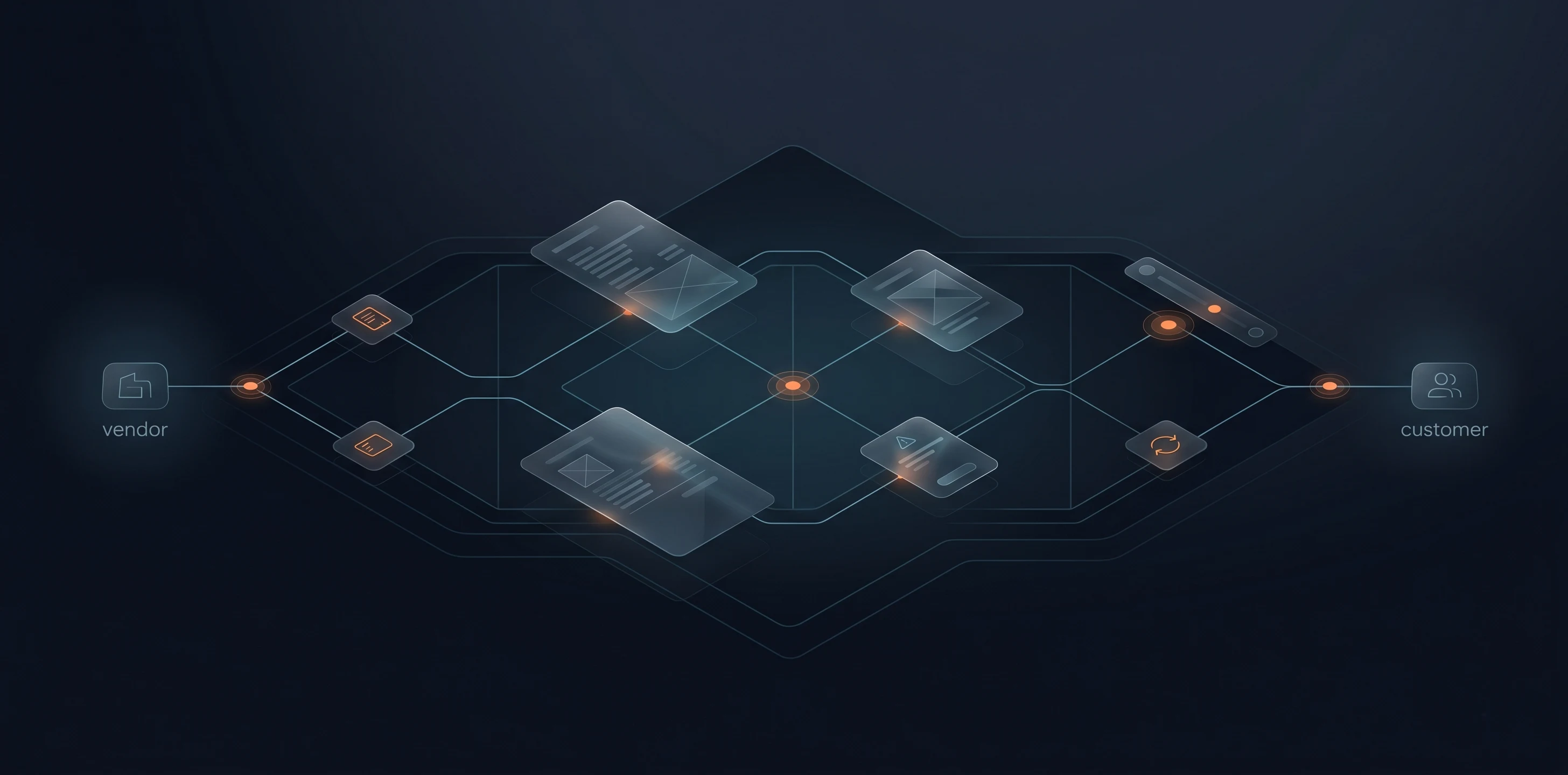
Fuel vendors should not become invisible suppliers.
Fuel vendors already carry the hardest parts of the business: supply coordination, field execution, delivery discipline, payment follow-up, and recurring customer relationships.
But technology-led intermediary models often move the customer interface away from the vendor. The supplier does the operational work, while someone else owns the ordering flow, customer data, payment experience, and repeat relationship.
Fuel Center exists to put the digital operating layer back in the vendor’s hands — while giving business buyers a cleaner way to order, track, record, and reconcile fuel transactions directly with their suppliers.
The Fuel Center Thesis
Vendor-owned customers
Vendors keep control of customer relationships, pricing context, and commercial terms.
Direct digital operations
Orders, delivery updates, records, statements, and collections move into one structured flow.
Buyer-visible records
Business buyers get clearer order history, delivery proof, and statement visibility.
Technology without middlemen
Vendors get modern digital tools without becoming the backend of someone else’s marketplace.
What we believe
Fuel Center is built around a simple conviction: technology should strengthen the real operators of fuel commerce.
Vendors should own their customers
Software should help vendors serve customers directly, not intercept the relationship.
Operations need structure, not noise
Fuel orders, dispatch updates, delivery records, and statements need one disciplined workflow.
Buyers need visibility and records
Business customers need clear order history, delivery proof, invoices, and payment visibility.
Adoption must fit real teams
Technology must work for vendor teams, drivers, field staff, and recurring customers — not only for dashboards.
The problem was not fuel supply. It was control.
B2B fuel vendors were doing the hardest work in the supply chain — arranging fuel, coordinating delivery, extending credit, managing collections.
But the digital layer around the transaction kept drifting toward intermediaries. The vendor fulfilled the order. Someone else owned the customer.
That loss of control is the gap Fuel Center is built to close.
Sunil Jatolia
Founder, Fuel Center
How we build trust
Fuel Center is being built with practical claims, responsible rollout, and clear operating boundaries.
Vendor-first model
Built to support vendors, not replace their customer relationships.
Responsible rollout
Focused on qualified vendors, practical onboarding, and gradual operational adoption.
Compliance-aware records
Structured records help obligations remain clear between responsible parties.
No inflated traction claims
We do not publish unverified performance, revenue, or customer numbers.
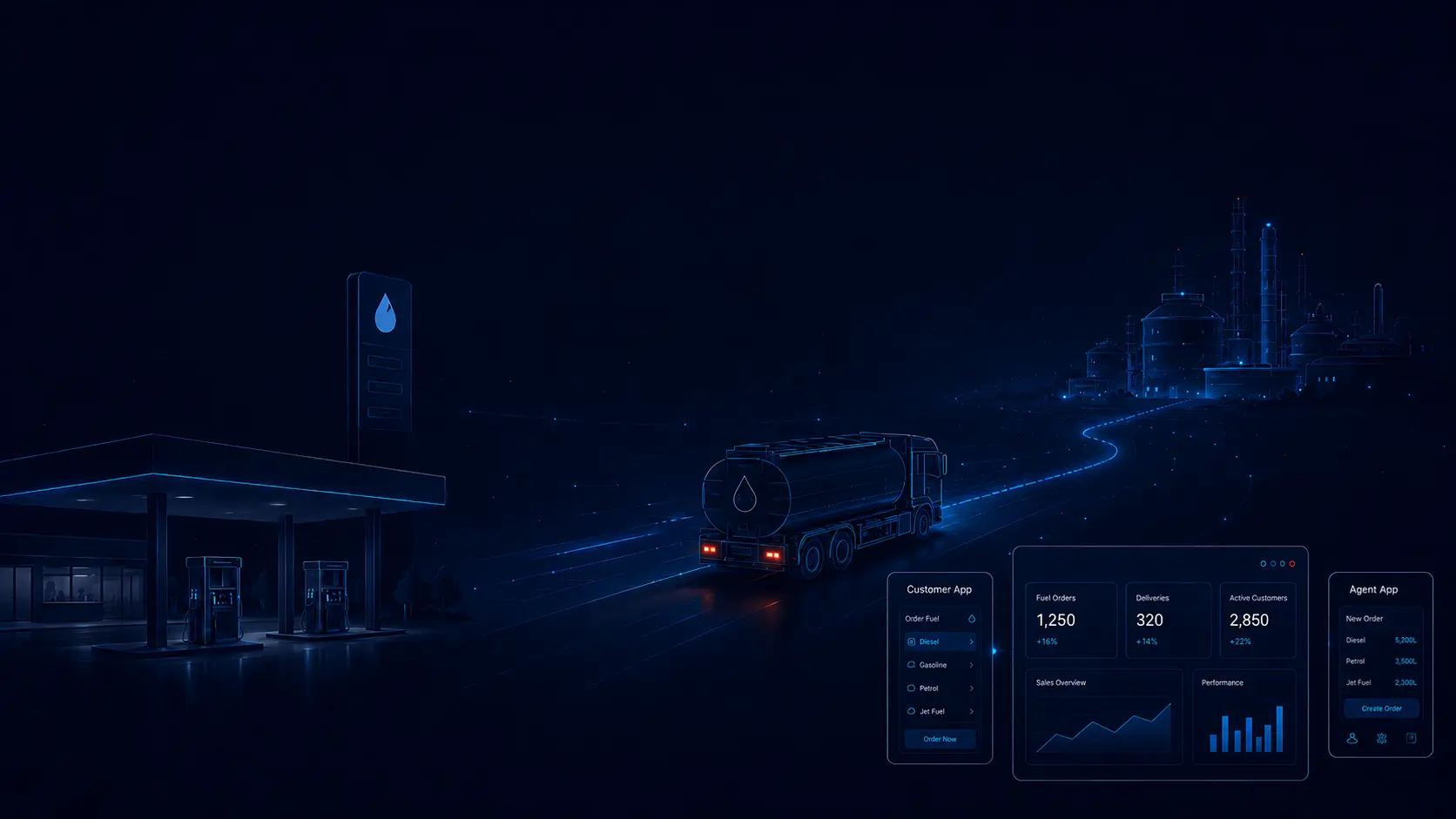
Ready to build direct fuel commerce with us?
Whether you are a fuel vendor or a business fuel buyer, Fuel Center can help you explore a more structured, direct operating workflow.